Recycling and Sustainability at Catford Storage
 Catford Storage is committed to building a cleaner, more responsible storage service that supports both customers and the wider community. Our approach to Catford storage recycling focuses on practical action: reducing waste, increasing reuse, and improving the way materials move through the local waste system. We aim to reach a 75% recycling rate target across day-to-day operations, with clear steps in place to sort, separate, and send materials to the right destination whenever items can be recovered.
As part of our sustainability plan, we follow a reduce, reuse, recycle mindset across all storage and logistics activity. That means prioritising items for reuse where possible, choosing recyclable packaging, and limiting unnecessary disposal. For customers using storage in Catford, this approach helps reduce the environmental impact of clearing, storing, and moving belongings while supporting a more circular local economy.
 We also keep close awareness of local waste systems and borough-level approaches to separation. In South London, residents and businesses are increasingly encouraged to sort mixed materials carefully, with a stronger emphasis on separating paper, cardboard, plastics, metals, glass, and food waste. By aligning our internal processes with these expectations, Catford self storage operations can help improve recycling quality and reduce contamination that often sends otherwise recoverable materials to landfill or energy recovery.
Local Recycling Infrastructure and Waste Reduction
To support responsible disposal, Catford Storage works with nearby local transfer stations and waste handling facilities that are equipped to process a range of recyclable streams. These sites are an important part of the wider system because they allow waste to be weighed, sorted, and directed into specialist recovery routes. When materials are accepted correctly, items such as cardboard, plastics, metal fittings, and untreated wood can be separated more efficiently for recycling rather than being treated as general waste.
Our internal waste strategy is designed to reflect this local infrastructure. Items that can be reused are kept out of the waste stream, while damaged or obsolete materials are assessed for recycling potential. In practice, this may include flattening cardboard for collection, separating shrink wrap from mixed rubbish, and keeping electrical items apart from general disposal. These small but important habits help Catford Storage recycling efforts remain effective and measurable.
 We also monitor the environmental performance of our operations through regular reviews of waste volumes and recovery rates. This allows us to identify where more material can be diverted from disposal and where processes can be improved. For example, if a particular type of packaging is regularly used, we look for alternatives that are easier to recycle or more suitable for reuse. Over time, these changes support lower waste production and a better recycling percentage overall.
Charity Partnerships and Reuse First
One of the most valuable parts of our sustainability plan is our work with charities and community reuse partners. Many items that are no longer needed by one customer still have value for another person, and donations can give furniture, household goods, office equipment, and other usable items a second life. This reuse-first approach reduces the volume of waste sent for treatment and supports local groups that benefit from donations.
We aim to make sure that suitable items are assessed for donation before recycling or disposal is considered. This can be particularly effective for goods in good condition that would otherwise be thrown away during a clearance or storage changeover. In practical terms, Catford self storage recycling is not just about processing waste correctly; it is also about extending the useful life of items wherever possible. That is a more sustainable outcome and a better use of resources overall.
Partnerships with charities can also help address specific local needs. Some organisations may welcome furniture and fittings, while others focus on household essentials or office supplies. By working with a range of community partners, we can support reuse across different categories and contribute to a more resilient local support network. This is a meaningful way to combine environmental responsibility with social value.
Low-Carbon Vans and Cleaner Transport
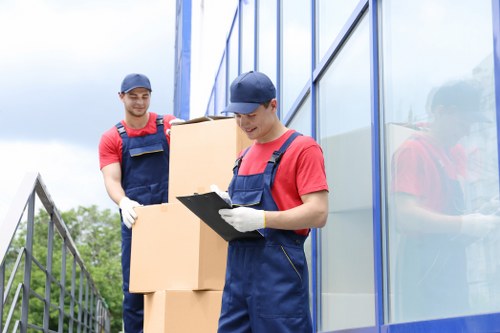 Transport is another important area in our sustainability programme. Catford Storage uses low-carbon vans where possible, helping to reduce emissions linked to collection and delivery work. By choosing more efficient vehicles and planning routes carefully, we lower fuel use and minimise unnecessary mileage across local journeys. This matters in busy urban areas where stop-start traffic can raise emissions quickly if transport is not managed well.
Our aim is to pair cleaner vehicles with smarter scheduling. Consolidating trips, reducing empty runs, and planning loads efficiently all help improve the environmental performance of Catford storage services. Where appropriate, we also encourage customers to combine movement of items so that fewer journeys are needed. These practical steps may seem simple, but together they make a real difference to carbon output over time.
As vehicle technology improves, we continue to review opportunities to expand the use of lower-emission transport. This includes monitoring fuel efficiency, maintenance standards, and the suitability of different vans for local deliveries. The goal is to ensure that our logistics remain reliable while steadily lowering our environmental footprint.
Waste Separation, Recycling Quality, and Continuous Improvement
Recycling works best when materials are separated correctly at the source. That is why we pay close attention to clear waste separation procedures, especially for common items generated through storage, moving, and clearance activity. Cardboard, soft plastics, hard plastics, metals, paper, and general waste each need different handling routes, and mixing them can reduce the quality of recycling. By keeping streams clean, Catford Storage recycling can achieve better recovery outcomes and fewer rejected loads.
 We are also attentive to changing borough expectations around waste and recycling. Many local authorities are encouraging residents and businesses to sort materials more carefully, and that has helped shape a more informed approach across the area. In practical terms, that can mean separating packaging from reusable goods, keeping food waste out of dry recycling, and treating broken items according to the correct material type. These are small actions, but they support a wider culture of responsible disposal and help local facilities operate more effectively.
Sustainability at Catford Storage is therefore built on a mix of targets, partnerships, and everyday habits. With a clear recycling percentage target, access to local transfer stations, strong charity relationships, and the use of low-carbon vans, we are working to reduce waste and emissions at every stage. Our approach reflects a simple principle: good storage should protect belongings, but it should also protect the environment.