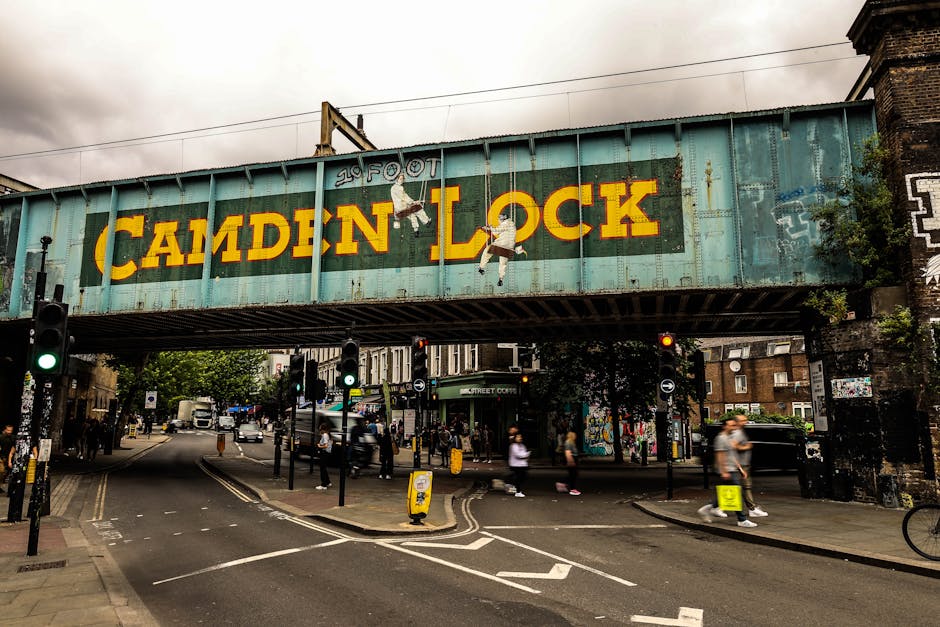
Catford Bridge Station Removals Access Tips for Movers
Moving near a busy rail station can feel simple on paper and a bit chaotic in real life. Catford Bridge station removals access tips for movers matter because the difference between a smooth move and a stressful one is often down to the small details: where the van can stop, how far the carry is, whether the lift works, and whether your boxes are packed in a way that keeps everyone moving. If you are planning a local move, a flat move, or a same-day handover around Catford Bridge, the right access plan saves time, money, and a fair amount of sweat.
In this guide, we'll walk through the practical side of moving around Catford Bridge: how access works, what usually causes delays, what movers should check before the day, and how storage can make the whole process calmer. We'll also look at useful service options such as local removals, man and van support, and removals and storage when a move needs a bit of breathing room. Let's face it, not every move is a straight line from A to B.
Table of Contents
- Why Catford Bridge station removals access tips for movers Matters
- How Catford Bridge station removals access tips for movers Works
- Key Benefits and Practical Advantages
- Who This Is For and When It Makes Sense
- Step-by-Step Guidance
- Expert Tips for Better Results
- Common Mistakes to Avoid
- Tools, Resources and Recommendations
- Law, Compliance, Standards, or Best Practice
- Options, Methods, or Comparison Table
- Case Study or Real-World Example
- Practical Checklist
- Conclusion
- Frequently Asked Questions
Why Catford Bridge station removals access tips for movers Matters
Access is not just a logistics detail; it shapes the whole moving day. Around a station like Catford Bridge, you may be dealing with narrow streets, busy traffic at peak times, pedestrian flow, limited stopping space, and the usual "just one more item" situation that always turns into three more trips. If a mover arrives without a plan, even a short move can stretch longer than it should.
Good access tips help movers work safely and efficiently. They also help you avoid damage to furniture, walls, and doorframes, which is easy to do when people are carrying awkward items through tight spaces. A staircase that looks manageable at 9am can feel much less manageable by 3pm when everyone is tired and the weather has turned grey. Very London, really.
For many households, access planning is also the difference between needing a full-scale lorry and getting by with a smaller vehicle or small removals approach. That matters if you are shifting from a flat, relocating between rentals, or moving only part of your belongings. It can even shape whether you need temporary short-term storage while keys, cleaners, or completion times line up.
How Catford Bridge station removals access tips for movers Works
At its core, this is about reducing friction. You want to move items from property to vehicle to new property with the fewest interruptions possible. The best access plan starts before moving day, with a clear picture of the route, the property layout, and the van's stopping point.
Most access planning around Catford Bridge follows the same pattern:
- Check the property entrance, stairs, lift, and any communal doors.
- Identify the nearest legal and practical loading point.
- Estimate carry distance from front door to vehicle.
- Confirm whether bulky items can fit through hallways, corners, and lifts.
- Decide if items need dismantling, wrapping, or storage first.
That last part is often underestimated. A wardrobe may look fine in the bedroom, but once it reaches the landing, the angle changes and suddenly it is all elbows and apologies. This is where a bit of pre-move planning can save a lot of lifting.
If your move involves business paperwork, stock, or equipment, it can also help to separate essentials from non-essentials early and consider document storage or business storage so the move is tidier. For office relocations, access decisions can be even more important because time lost on a stairwell is time lost for the whole team, which is nobody's idea of a good morning.
Key Benefits and Practical Advantages
There are some obvious benefits to getting access right, but a few less obvious ones too.
- Faster loading and unloading: Shorter carry distances reduce delays and fatigue.
- Lower risk of damage: Fewer tight turns and less rushing means fewer scrapes and knocks.
- Better vehicle choice: You can select a van size that fits the job rather than guessing.
- More accurate quotes: Move estimates are usually more reliable when access is clear.
- Less stress on the day: Everyone knows the plan, which sounds basic but makes a real difference.
- Improved safety: Clear access reduces trip hazards and manual handling strain.
There is also a money angle. Good access can reduce the time a removals team spends parked, carrying, and waiting. That can be particularly useful for moves near transport hubs, where timing matters and traffic can bunch up quickly. If you are comparing options, a well-organised house removals service or a flexible flat removals option may be more efficient than a bigger, less nimble setup.
Practical summary: the best Catford Bridge move is rarely the biggest vehicle; it is the best-prepared one. Measure access, plan the stop point, pack by priority, and keep the route clear. That's the simple version, but it works.
Who This Is For and When It Makes Sense
This kind of planning helps almost anyone moving in or around Catford Bridge, but it is especially useful if your property has restricted access, limited parking, or awkward internal layouts.
You will likely benefit if you are:
- moving from a flat above ground floor level
- working to a tight completion or tenancy deadline
- moving with a narrow entrance, steep stairs, or no lift
- using a smaller team or a one-vehicle move
- trying to manage items between a home, storage, and new address
- moving office furniture, files, or stock that needs careful handling
It also makes sense if you are moving in stages. For example, a family might shift furniture first, then return for remaining items after carpet fitting or decorating. In that case, furniture storage or secure storage can keep everything protected until the property is ready. Students and renters often use student storage or household storage when move-out dates do not line up neatly.
Truth be told, the most common mistake is assuming access will "probably be fine". Probably is not a plan.
Step-by-Step Guidance
Here is a straightforward way to prepare Catford Bridge station removals access tips for movers without overcomplicating the job.
- Walk the route from front door to vehicle. Check gates, steps, tight turns, low ceilings, and any shared areas. If the route looks awkward, it probably is.
- Measure the largest furniture items. Note width, height, and length. Sofas, wardrobes, mattresses, and desks are usually the troublemakers.
- Assess parking and stopping options. Decide where the vehicle can stop safely and legally. A loading bay, driveway, or wide side street may work better than the closest-looking space.
- Confirm lift or stair access. If the lift is small, slow, or shared with neighbours, build in extra time. If there is no lift, plan for heavier lifting and more breaks.
- Pack by access priority. Put the items you need first near the exit, and keep fragile or awkward items separate so they are not crushed in the shuffle.
- Label everything clearly. Room labels save time in the new place. So do bright notes on "open first" boxes.
- Use storage if timings do not line up. If keys, cleaners, or refurb work create a gap, short-term or long-term storage can prevent last-minute chaos.
- Allow a buffer. A move that looks like two hours on paper can become four. Build in breathing room for traffic, keys, and the odd missing screwdriver.
If you need help with the physical side of the move, packing services can be a real lifesaver. Good packing is not glamorous, but it is the foundation of a calm move. Boxes that stack properly, wraps that do not unravel, and labels that actually mean something? Small things. Big difference.
Expert Tips for Better Results
Here is where the practical detail really starts to pay off.
Use the smallest vehicle that still fits the job. Near busy station areas, a smaller, more manoeuvrable van can sometimes save more time than a larger vehicle. Parking and turning are easier, and loading often feels less like a puzzle.
Break awkward items down before moving day. Beds, table legs, shelving, and some desks can usually be dismantled with the right tools. Keep screws in labelled bags. Simple, but people forget this all the time.
Protect the route inside the property. Floor runners, doorframe covers, and blankets help prevent damage. In a tight stairwell, even a single cushion placed badly can throw off a carry.
Move in the quietest window you can. Early starts often help, especially where foot traffic and commuter movement are heavier later in the day. Morning air is calmer; the street usually feels less tense.
Keep a "do not pack" box. Kettle, chargers, toilet paper, snacks, keys, medication, and a basic toolkit. That little box is gold on the first night.
Think in zones. One zone for loading, one for fragile items, one for storage-bound items. It sounds a bit fussy. It is not. It's efficient.
Use storage as a pressure valve, not a failure. If the timing or access is awkward, putting a few items into storage can make the rest of the move much cleaner. Self storage works well when you want flexibility, while mobile self storage can be especially handy if you would rather avoid repeated trips.
Common Mistakes to Avoid
Most moving headaches near station areas come from the same handful of mistakes. Happily, they are avoidable.
- Not checking parking restrictions: A van that cannot stop safely becomes a problem very quickly.
- Forgetting about the carry distance: A short walk from the van is fine; a long one adds time, fatigue, and risk.
- Underestimating stair difficulty: A single awkward staircase can slow the whole move, especially with large furniture.
- Leaving packing until the last minute: Late packing leads to poor box sizes, weak tape, and broken rhythms on the day.
- Not measuring furniture: If you have not measured it, you are guessing. And guessing with a wardrobe is never ideal.
- Failing to separate storage items: When everything is mixed together, unloading becomes messy and expensive in time.
- Ignoring weather: Rain changes everything. Surfaces become slippery, boxes soften, and everyone gets a bit more cautious.
One small but common issue: people forget to tell the removals team about shared entrances, codes, or concierge-style arrangements until they are already outside. That is a classic "well, we can sort it out" moment that becomes ten minutes of standing about. Not disastrous, just unnecessary.
Tools, Resources and Recommendations
You do not need specialist gear for every move, but the right tools make a clear difference.
- Measuring tape: for doors, furniture, lifts, and vehicle access.
- Furniture blankets: to protect wooden surfaces and soft furnishings.
- Straps and trolleys: especially useful for heavier items and longer carry routes.
- Strong boxes: better than overfilled supermarket cartons that buckle halfway through the day.
- Marker pens and labels: for room names and priority boxes.
- Basic toolkit: screwdrivers, Allen keys, packing tape, and spare batteries.
For moves that need a bit more structure, it can help to combine services. A homeowner moving out of a flat near the station might use household storage for overflow items, then arrange removals for the main move. A business, meanwhile, might rely on office removals and office storage if desks, chairs, and files need to be moved in phases.
If you are still comparing service levels, take a look at pricing and quotes so you can see how access, volume, and timing may affect the overall job. And if you want to understand the company's approach to safety and handling, the health and safety policy and insurance and safety information are worth a read before booking.
Law, Compliance, Standards, or Best Practice
For most domestic moves, the practical focus is on safe handling, sensible parking, and following the rules that apply to the local street or building. You do not need to turn the whole move into a legal project, but there are a few best-practice points worth keeping in mind.
First, any mover or removals team should work in a way that reduces risk of injury and damage. That usually means sensible lifting, clear walkways, appropriate equipment, and enough people for the job. If a lift is available, it should be used properly and not overloaded. If a stairwell is tight, items should be carried in a controlled way, not rushed.
Second, parking and loading should respect local restrictions and the building's own rules. Near a station, this matters even more because access can be busier and less forgiving. If you are unsure about stopping points, it is better to choose a slightly less convenient spot than to block traffic or create a hazard.
Third, if you are moving business stock, files, or sensitive documents, storage and handling should be appropriate to the contents. That is where secure storage and document storage can be a practical part of a good compliance mindset, even if the move itself is straightforward.
And finally, good practice also includes clear terms, fair communication, and knowing what is included before moving day. It sounds obvious. But it saves arguments later, which is usually the point.
Options, Methods, or Comparison Table
Different moves need different approaches. Here is a simple comparison that may help you decide what fits best.
| Option | Best for | Strengths | Watch-outs |
|---|---|---|---|
| Full removals service | Whole-home or larger moves | Structured, efficient, less personal lifting | Needs accurate access information |
| Man and van | Smaller or lighter moves | Flexible, often easier for tight streets | May need more packing preparation |
| Removals and storage | Moves with timing gaps | Useful when keys or works are delayed | Requires organisation between drop-off and delivery |
| Short-term storage | Temporary overflow or phased moves | Creates breathing space | Needs clear labelling and planning |
| Flat removals | Upper-floor properties and apartments | Designed for stairs, lifts, and tight access | Still needs good parking and route planning |
For many Catford Bridge moves, the sweet spot is a combination of methods. For example, a flat move with delayed keys might use flat removals on moving day and short-term storage for items that cannot go in immediately. That is not overthinking it. That is just sensible.
Case Study or Real-World Example
Picture a typical moving day near Catford Bridge: a couple is leaving a two-bedroom flat, the new place is not ready until later in the afternoon, and the street outside is busy enough that parking is awkward by lunchtime. The sofa is fine. The wardrobe, not so much. One bedroom has a narrow landing, and the lift is shared, so every trip takes longer than expected.
Instead of forcing everything into one rushed move, they split the plan. The bulky furniture goes first, wrapped and measured in advance. Smaller boxes and seasonal items are placed into storage for a week. A friend helps with the "do not pack" box, which includes a kettle, chargers, and a pack of tea bags. Honestly, that last box can feel like a minor miracle at 8:30pm.
The result is not dramatic. It is just calmer. The team spends less time waiting, the movers are not trying to twist a wardrobe through a corner that clearly dislikes it, and the property is left in better condition. That is the real win: less drama, fewer surprises, and a move that feels under control.
Practical Checklist
Use this before moving day. Simple, honest, useful.
- Measure all large furniture and note anything that may need dismantling.
- Check parking, stopping space, and any local restrictions.
- Confirm lift size, stair access, and shared entrance details.
- Tell the removals team about codes, keys, or concierge rules.
- Pack fragile items separately and label them clearly.
- Prepare one essentials box for the first 24 hours.
- Separate items going to storage from items going straight to the new property.
- Protect floors and doorframes where possible.
- Keep a basic toolkit and charger set within easy reach.
- Build in extra time for traffic, weather, and small delays.
If you are moving on a tight timeline, a bit of backup planning matters. Local removals can keep the process manageable, and if you need somewhere to park items safely for a while, long-term storage or mobile self storage may be worth considering depending on how long the gap is.
Conclusion
Catford Bridge station removals access tips for movers come down to a simple idea: plan the route, respect the constraints, and make the job easier before the first box is lifted. When access is tight, the smartest move is usually the one that looks boring on paper. Measure properly. Pack sensibly. Choose the right service. Use storage if the timing needs it. That is how a busy move becomes a manageable one.
And if you are still in the planning stage, that is actually the best time to get organised. A little clarity now can save a lot of effort later, especially if you are moving around a station area where every minute counts. You will thank yourself on the day, probably around the third trip with a box that is heavier than it looked.
Get a free quote today and see how much you can save.
Frequently Asked Questions
What are the most important Catford Bridge station removals access tips for movers?
The most important tips are to check parking, measure furniture, confirm stair or lift access, and plan the carry route from door to van. Those four things usually decide whether a move feels smooth or chaotic.
Do I need a smaller van for a move near Catford Bridge?
Not always, but a smaller van can be easier if the street is tight or stopping space is limited. The best choice depends on how much you are moving and how easy it is to load safely.
How far in advance should I check access details?
Ideally a few days before moving day, and again the day before if possible. Access can change because of roadworks, parking pressure, building rules, or last-minute key arrangements.
What should I do if there is no lift in my flat?
Build in more time, break down large items where possible, and make sure the removals team knows about the stairs. If the furniture is awkward or heavy, it may be worth using storage or a smaller staged move.
Can storage help if my move-out and move-in dates do not match?
Yes, very much so. Short-term storage is useful for temporary gaps, while long-term storage can help if you are in between homes for longer than expected.
What kind of items are best kept in storage during a move?
Seasonal items, spare furniture, archives, and anything you do not need immediately are good candidates. It keeps the new property less cluttered and makes access easier for the main move.
Is a man and van service suitable for Catford Bridge area moves?
Often yes, especially for smaller moves, student moves, or properties with tighter access. A man and van setup can be practical when you do not need a full removals crew.
How can I reduce the risk of damage during a station-area move?
Use proper packing materials, protect walls and floors, dismantle large furniture if needed, and avoid rushing tight turns. Careful lifting is slower, but it usually saves hassle in the long run.
What if my move involves office equipment or files?
Then it is worth planning access even more carefully. Office removals and document storage can help keep sensitive items organised and easier to move in stages.
Should I book packing help as well as removals?
If you are short on time, have fragile items, or simply want a more controlled move, yes. Packing services can reduce stress and improve the way items are loaded and unpacked.
How do I know whether I need removals and storage together?
If there is a gap between properties, refurbishment work, or space limits in the new home, then a combined approach makes sense. Removals and storage can give you more flexibility than trying to do everything in one day.
Where can I get more information before booking?
It can help to review the company's approach to safety, pricing, and terms before you decide. Useful starting points include about the company, pricing and quotes, and the terms and conditions.